What AI Can Actually Do Now
AI is changing fast. Even being deep in the weeds with it daily, I’m still surprised by what’s possible now versus a few months ago. The capabilities are easy to underestimate until you try something yourself.
I generated this infographic in five minutes:
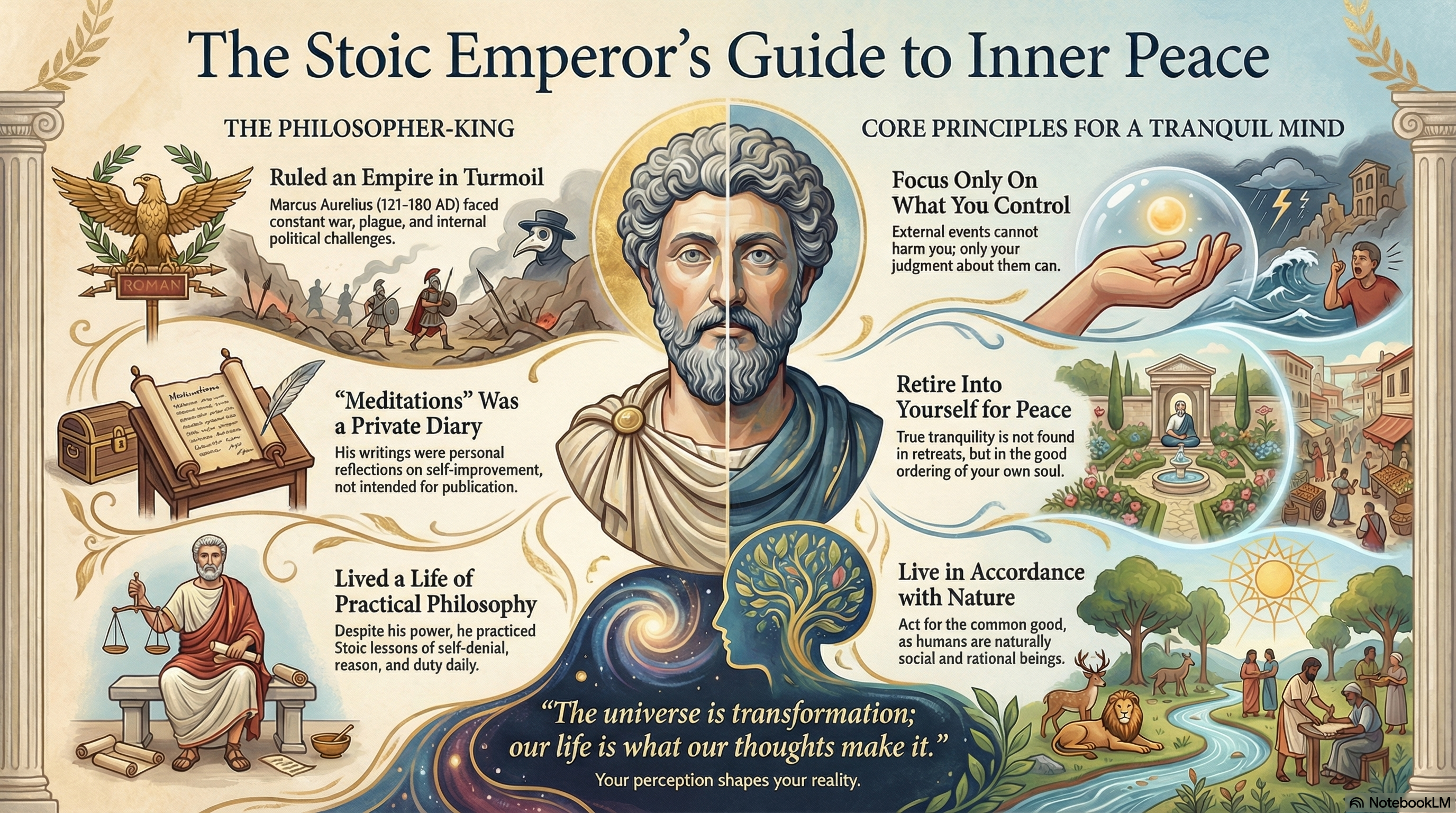
From this input - a scanned PDF from archive.org of Marcus Aurelius’ Meditations, printed over a hundred years ago:
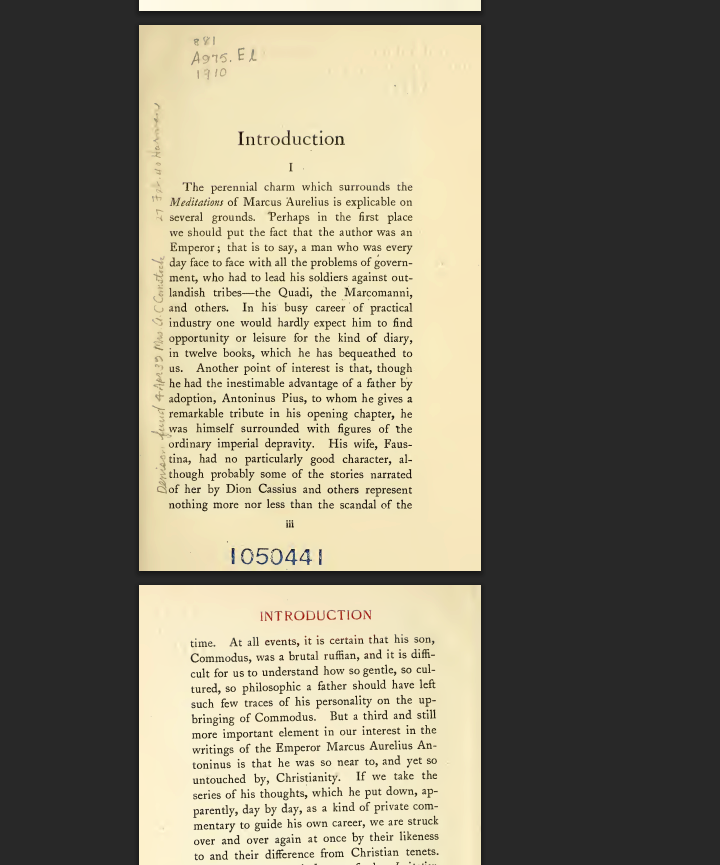
Not clean text. Just photographs of old book pages with period typography, library stamps, and scanning artifacts.
The Tool
NotebookLM is one of Google’s tools for showcasing their AI capabilities. They recently integrated their Nano Banana Pro image model, which you can use to generate presentations from your own uploaded content - PDFs, images, text, whatever you want. Not templates you fill in, but designed slides with custom illustrations and layout.
The Process
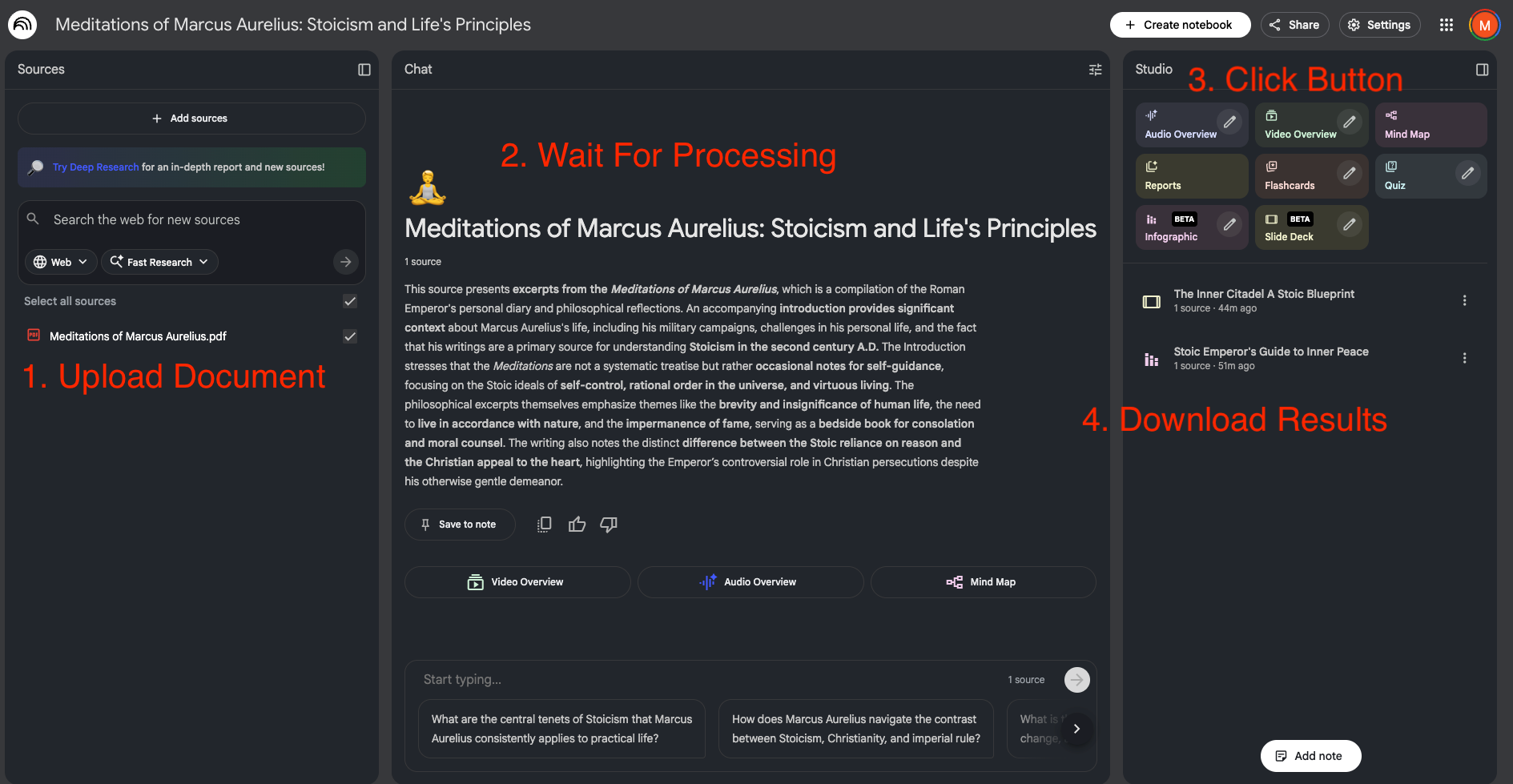
I want to be clear about how little effort this took. I’ve annotated the interface below with the steps: upload a document, wait for it to process, click a couple buttons, wait for generation, download. That’s it.
The Outputs
NotebookLM generated both the infographic above and a full slide deck PDF. I’d encourage you to look through the full deck - it’s impressive. Here are three pages to give you a sense:
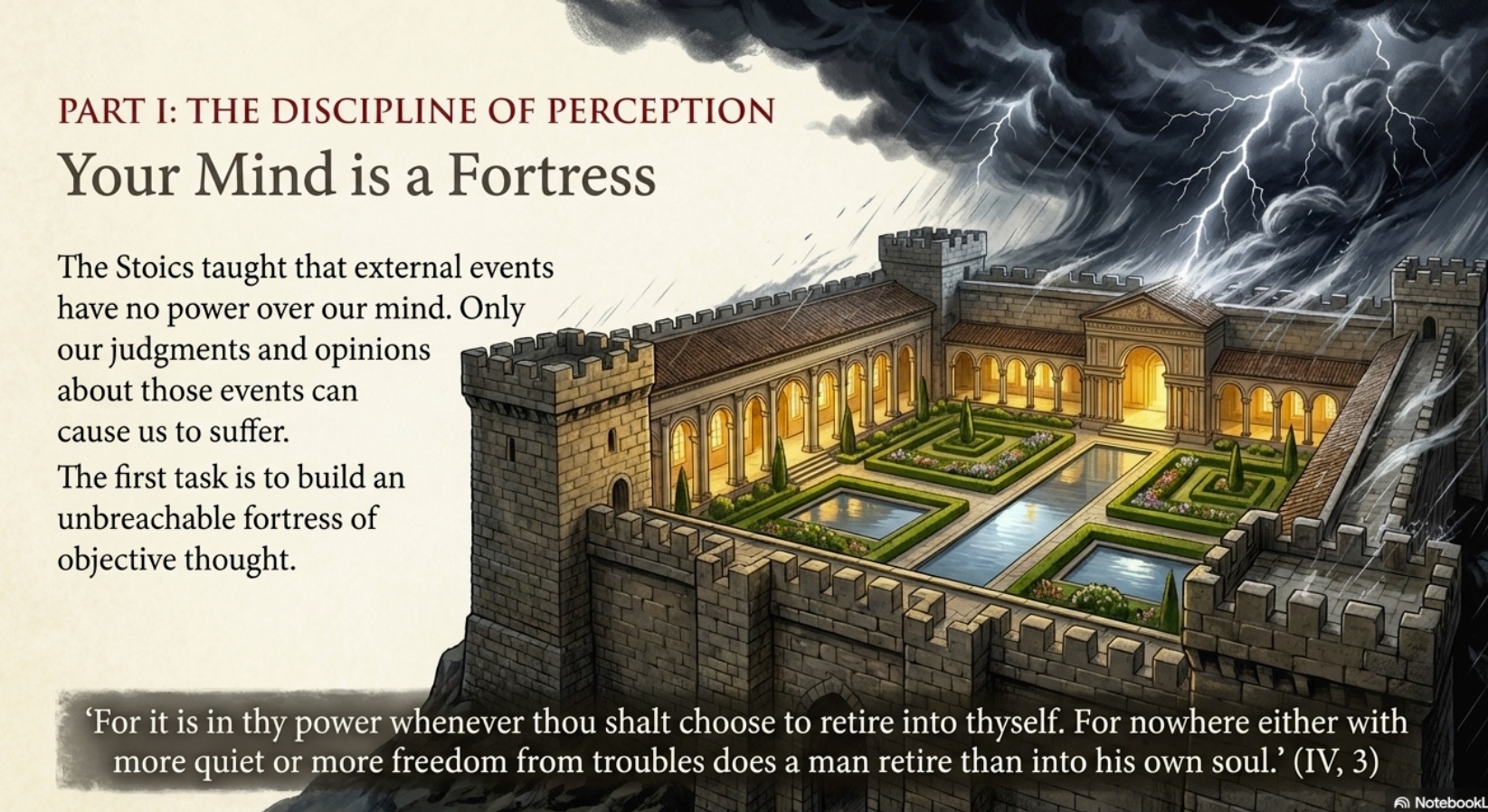
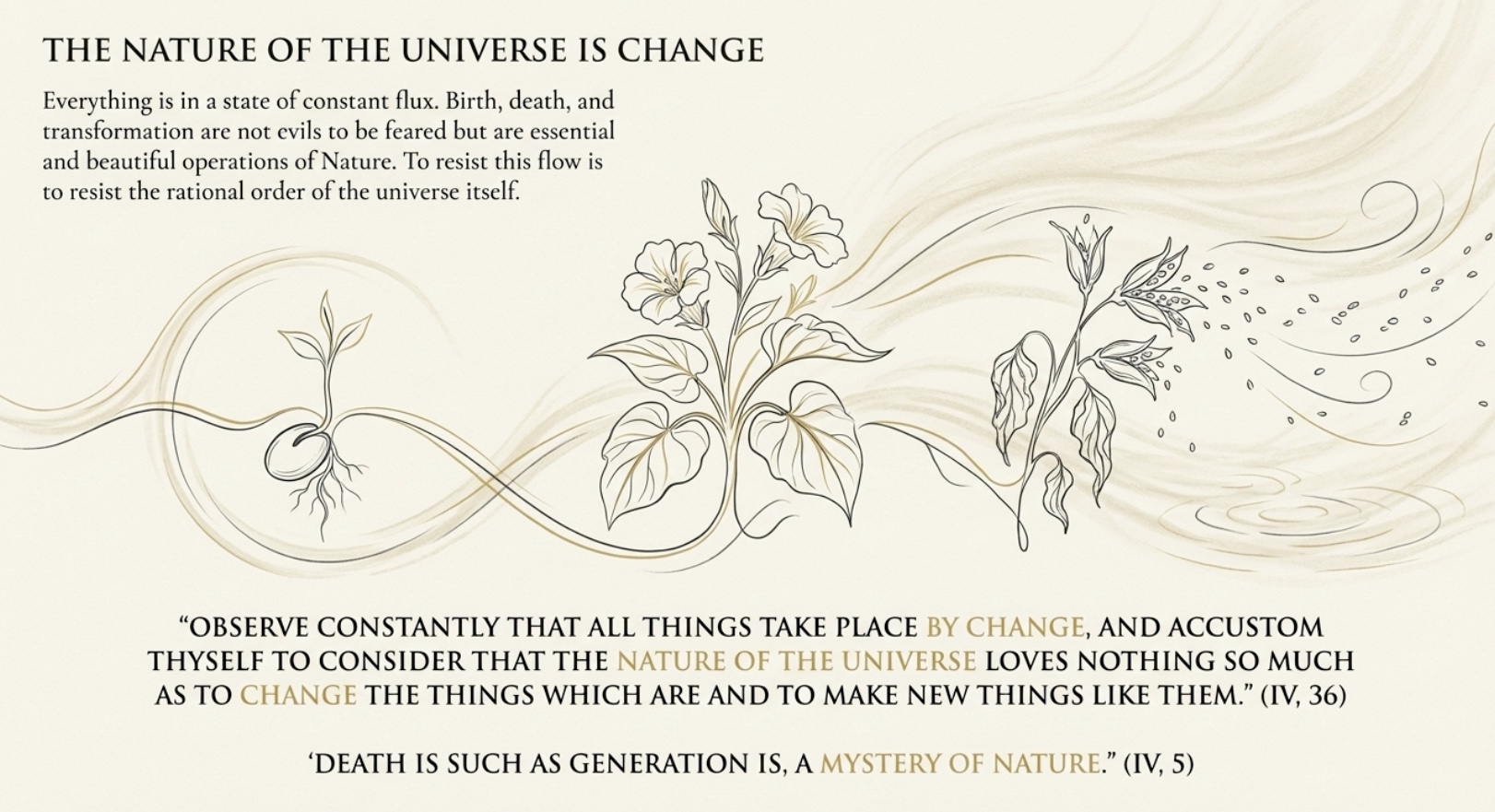
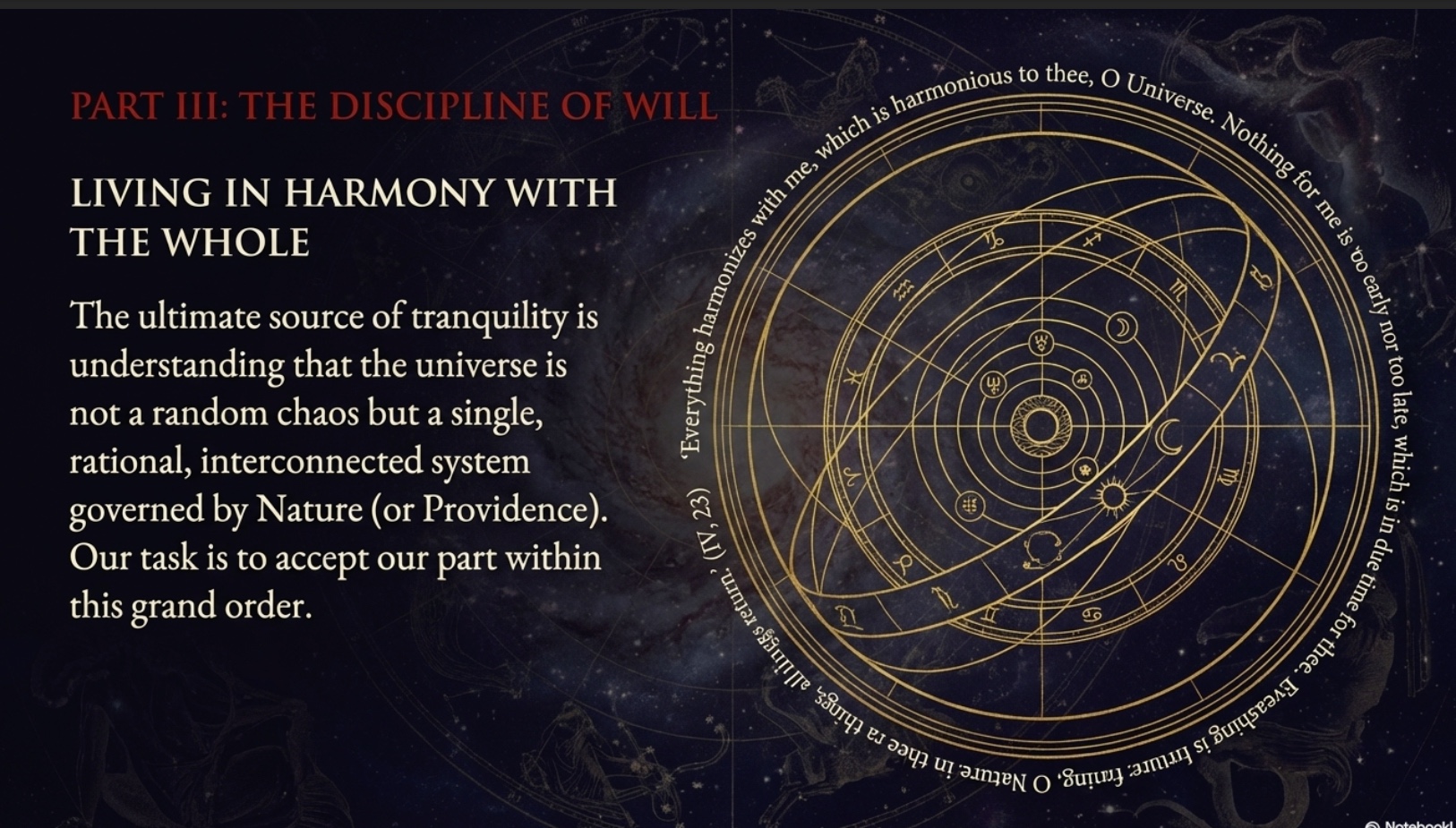
The illustrations are generated to match the content - the castle fortress for “Your Mind is a Fortress,” the botanical imagery for change and impermanence, the cosmic imagery for harmony with the universe.
A Year Ago, This Was Impossible
The system had to OCR scanned images of century-old typography, understand the philosophical content, organize it into coherent themes, write summaries, and generate matching illustrations. All from a few button clicks.
People underestimate AI capabilities because they haven’t tried things themselves. Reading about what AI can do isn’t the same as seeing it work on your own content.
If you’ve been curious but haven’t dug in yet, just try something. Pick a tool, pick some content you care about, and see what happens. It doesn’t need to be useful - just interesting to you. The bar to experiment is so low now. You’ll find capabilities you didn’t expect, and you’ll develop intuition for where these tools actually help versus where they fall short. That intuition is hard to build any other way.